
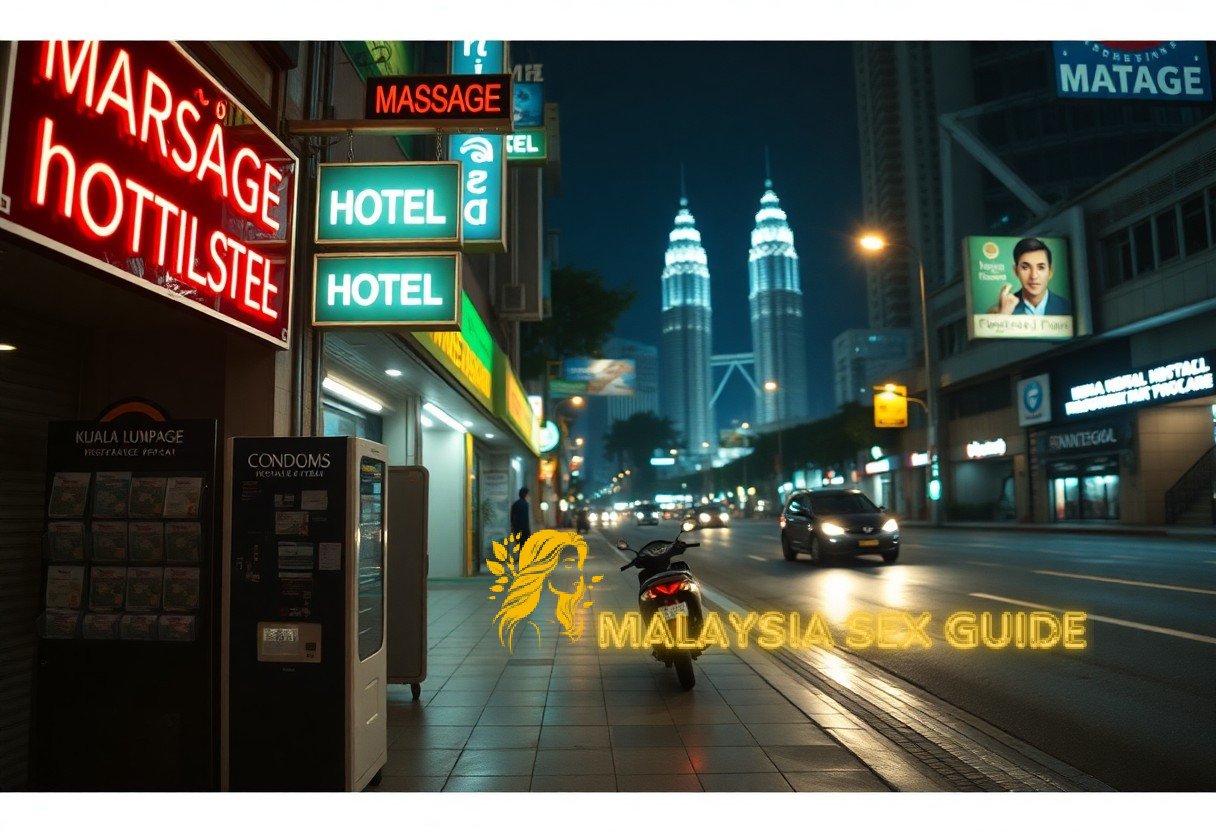
KualaLumpur you should expect a mix of discreet escort and massage services operating in gray areas; prostitution is illegal and you face risk of arrest, police raids, and fines, so prioritize verified venues, clear boundaries, and condom use. You will encounter varied prices, language barriers, and aggressive touts; use local reviews, avoid street solicitation, and keep your personal information secure to reduce legal and health hazards.
Key Takeaways:
- Legal status and enforcement: Prostitution is illegal in Malaysia; expect discreet venues and variable enforcement including raids, fines, arrests and immigration checks – avoid any involvement with minors or signs of trafficking.
- Typical venues, pricing and interactions: Common settings include massage parlors, karaoke lounges, bars and escort services; prices vary, confirm services and fees upfront, cash is often used, and respect requests such as no photos.
- Health and personal safety: Condom use may be inconsistent, so carry and use protection; avoid drugs, be alert for coercion or trafficking indicators, and seek confidential sexual-health services if exposed.
Overview of Sex Services in Kuala Lumpur
You’ll find a mix of licensed and informal services across KL, from upscale spas and hotels to smaller parlours and private encounters; legal ambiguity and local enforcement mean you should act with caution. Several districts concentrate activity at night and weekdays vary in availability. Health checks are inconsistent, so you should prioritize venues that advertise condom use and transparent pricing to reduce risk.
Types of Services Available
Options range widely: brief encounters in entertainment venues, booked escorts, massage-based offerings, and private arrangements arranged through intermediaries; each carries different visibility and risk profiles. Street-based options often have lower prices but higher safety concerns, while hotel or agency services present more discretion. After choosing, set clear boundaries and confirm costs up front.
- Escorts
- Massage parlours
- Entertainment/KTV
- Street-based
- Private arrangements
| Escorts | Booked via agencies; higher discretion and rates |
| Massage parlours | Range from legitimate therapy to sexual services; variable hygiene |
| Entertainment/KTV | Social setting, often with drink minimums and negotiation |
| Street-based | Lower cost, higher exposure to safety and legal risks |
| Private arrangements | Direct bookings or online introductions; discretion varies |
Understanding Pricing and Payment Methods
Typical rates vary: casual encounters can start around RM400-RM800, massage-related services often sit near RM450-RM500, while upscale escort bookings can exceed RM800-RM2,000 for extended sessions; you should expect cash to be dominant, with cards used only at higher-end venues.
In practice, cash remains king to avoid card disputes and logs, but some upscale hotels or agencies accept cards and e-wallets; tipping of 10-20% is common in hospitality settings. Be alert for added charges-service fees, “room” or “discretion” surcharges-and avoid paying large sums upfront. If you prioritize safety, choose venues that provide clear written rates and retain transaction receipts to reduce dispute risk; scams and hidden fees are a frequent issue in lower-tier arrangements.
Implications for Service Providers and Clients
If you run or use informal services, expect operational risk: raids, arrests, fines, closure and deportation are common outcomes. Licensed operators must display permits and keep records; failure invites enforcement. For you as a client, engaging in public solicitation or arranging services through unverified channels raises the likelihood of police intervention and loss of privacy.
Practically, that means you should verify venue licenses, staff documentation and payment methods; uncertified workers are more likely to be subject to exploitation or trafficking investigations that can leave you entangled as a witness or suspect. In past enforcement drives authorities have targeted massage parlors and karaoke outlets, so relying on formal, documented establishments reduces the chance you’ll face legal or personal safety consequences.
Cultural Context
In Kuala Lumpur’s multicultural urban fabric, you encounter a tension between liberal nightlife districts and conservative social norms shaped by a majority-Muslim population (about 60% of ~32 million people) and a dual legal system where civil law coexists with Sharia for Muslims; this means services operate discreetly, enforcement varies by neighborhood, and legal and reputational risks are ever-present for both workers and clients.
Societal Attitudes towards Sex Services
Across the city attitudes shift sharply by district: areas like Bukit Bintang tolerate visible nightlife while suburban and Malay-majority neighborhoods stigmatize sex work; you should note many workers are migrants from Indonesia, the Philippines or Myanmar, NGOs such as Tenaganita document stigma-driven isolation, and public sentiment often fuels police raids and social shaming rather than health‑focused responses.
Impact of Tourism on the Sex Industry
Tourism amplifies demand-Malaysia saw roughly 26 million international arrivals in 2019-so you’ll find services geared to visitors, from hotel-based escorts to app-arranged meetups; the upside is increased income for workers and choice for you, while the downside includes higher visibility, occasional enforcement sweeps, and an elevated risk of trafficking and exploitation.
When major events or conferences fill the city you’ll notice a spike in short‑term offerings and online adverts; platforms and WhatsApp groups make access easier but also obscure accountability, and NGOs like PT Foundation run outreach and testing in nightlife zones because of higher STI risk. Enforcement patterns often shift during tourist seasons-authorities conduct high-profile raids to signal control-so if you engage services you should prioritize venues with transparent practices, check recent local reports, and be aware that migrant workers are especially vulnerable to coercion and legal penalties.
Safety and Health Considerations
While navigating services in KL, you should prioritize situational awareness: meet first in public spaces for at least 10-15 minutes, verify venues via recent online reviews or local forums, and keep personal documents separate. Carry discreet payment methods, set clear boundaries before engaging, and never leave belongings unattended. If someone pressures you or asks for more than agreed, leave immediately and contact local authorities.
Importance of Personal Safety
Before any engagement you should tell a trusted person your plans and share your live location; evidence shows bystander awareness improves outcomes. Meet in well-lit, populated areas initially, inspect the venue, and avoid heavy drinking or drugs that impair judgment. Carry a charged phone and a small amount of emergency cash; trust your instincts and end the encounter at the first sign of coercion.
Health Risks and Precautions
To lower STI/HIV risks, use condoms every time: consistent condom use reduces HIV transmission by roughly 80-90%. Get tested 4-12 weeks after potential exposure and know that post‑exposure prophylaxis (PEP) must begin within 72 hours. Vaccination for hepatitis B and HPV is recommended, and consider PrEP if you have repeat encounters-PrEP can cut HIV risk by over 90% with proper adherence.
Check condoms for intact seals and expiry dates-press for an air pocket and avoid expired or oil‑based lubricants that raise breakage risk; use water‑ or silicone‑based lubricants instead. For oral sex, consider condoms or dental dams. Watch for symptoms such as unusual discharge, sores, fever, or swollen glands and seek testing promptly; many government clinics in KL offer anonymous STI screening and major hospitals provide PEP, ideally started within 24-72 hours for best effectiveness.
Common Myths and Misconceptions
You will encounter many assumptions that don’t reflect how services operate in KL; media depictions often overemphasize street solicitation while much business happens through private parlors, hotels and online platforms. Enforcement is uneven across districts, and your level of risk depends on venue type, time and whether health checks or ID requirements are enforced.
Debunking Stereotypes
Many people assume all providers are exploited or that every venue is unsafe, yet you’ll find a spectrum from independent, experienced workers to agency-managed teams; some upscale spas implement regular health screening and training. Perception of constant police action is outdated in many districts. Knowing how these distinctions affect your safety and choices.
- Safety – not guaranteed by price alone
- Agency – many workers exercise choice and negotiation
- Health – clinics and outreach programs exist
- Access – increasingly mediated by apps and private bookings
| Myth | Reality |
| All workers are trafficked | Many are independent or agency-affiliated; trafficking exists but is not universal |
| All services are openly street-based | Significant trade happens in parlors, hotels and online platforms |
| Higher price guarantees safety | Price can reflect venue, not always better protocols or screening |
| Law enforcement is always present | Raids occur, but enforcement is sporadic and location-dependent |
Addressing Misunderstandings about the Industry
You should understand that the industry intersects with migration, labor markets and public health: many workers come from Indonesia, Myanmar and the Philippines, and you may notice multilingual interactions. Local NGOs and clinics provide free STI testing, condoms and harm-reduction outreach in hotspots, which changes how services are delivered and how you should approach safety.
For practical context, outreach teams run weekly clinics in districts like Pudu and Chow Kit offering anonymous testing and referrals, while booking has shifted toward encrypted messaging apps and vetted agency platforms; hotels sometimes require IDs and enforce client lists. If you engage services, prioritize venues that advertise clear health protocols, ask about condom use and be aware of legal risk around public solicitation-these factors materially affect both safety and your options.
How to Find Reliable Services
When evaluating options in KL, prioritize businesses that operate openly: spas, hotels and licensed entertainment venues in areas like Bukit Bintang or Bangsar often display registration and address. You should verify a business registration (SSM) or visible license, check for published pricing and prefer card payments over cash-only setups. Use verified booking platforms and insist on meeting in public areas first; avoid providers that refuse identification or pressure you into private, offsite locations.
Trusted Resources and Recommendations
Tap established review platforms-Google My Business, TripAdvisor and Booking.com-and local communities such as Lowyat.net, Reddit r/Malaysia and expat Facebook groups where threads often include dozens of firsthand reports. Consult health NGOs like PT Foundation and public clinics (Klinik Kesihatan) for testing and safety info, and check embassy travel advisories for legal guidance. Look for businesses with at least 50+ reviews and 4.0+ ratings or multiple recent, consistent testimonials.
Evaluating Service Quality
Assess quality by observing cleanliness, staff professionalism and transparent policies: visible pricing, written service descriptions, and on-site condom availability are positive indicators. You should ask how often staff undergo health screening and whether the venue displays registration numbers. Pay attention to review content-repeated mentions of hidden fees, aggressive upselling or inconsistent photos are red flags; prioritize places that offer receipts and clear cancellation/deposit terms.
For deeper checks, verify photos and reviewer profiles (reverse-image search, account age) and call the venue to confirm details; genuine businesses will answer questions about licensing and health practices. Always treat no-ID, insistence on cash-only, sudden location changes as dangerous signs, and if anything feels off, walk away-your safety and legal exposure should guide your choice.
Final Words
Drawing together, you should expect a discreet, varied marketplace where clear communication, negotiated boundaries and awareness of local laws determine your experience. Prices, services and professionalism vary widely, so you will benefit from checking reviews, confirming expectations beforehand, and prioritizing safety and consent. Cultural norms and legal restrictions in Kuala Lumpur affect availability, so you should stay informed, act respectfully, and seek medical care if you have any health concerns.
FAQ
Q: Is sex work legal in Kuala Lumpur?
A: The legal situation is complex. Activities such as soliciting, brothel-keeping, pimping, trafficking and public indecency are prohibited under Malaysian law, and enforcement can vary by neighbourhood and by time. Non-citizens involved in commercial sex may face immigration consequences. Muslim residents can also be subject to Syariah rules and penalties. Many services operate discreetly and informally as a result; anyone with specific legal concerns should consult a qualified local attorney or official guidance.
Q: What types of venues and service models should I expect?
A: Common settings include massage parlours and spas (some offering additional private services), karaoke and hostess bars, escort agencies, private apartment arrangements, and online platforms or social apps that connect clients and providers. Service models range from supervised, agency-managed bookings to independent freelance arrangements. Professional venues often list packages and timeframes, while independent providers tend to negotiate specifics by message. Listings and photos may be promotional, so verify details before committing.
Q: How can I maximize personal safety and health?
A: Prioritise safety by researching venue reputations and reading recent reviews, meeting briefly in public first or choosing well-reviewed establishments, informing a trusted person about your plans, and keeping your phone charged. Use condoms and discuss STI testing and boundaries before services begin; avoid drugs or coerced activities. Be cautious with large upfront payments, and understand that police raids and scams sometimes occur. If you feel unsafe, leave immediately and contact local authorities or emergency services.
Q: How are prices typically set and how should payments be handled?
A: Pricing is commonly per session or per hour, with flat-rate “packages” offered for longer appointments; some providers require deposits or platform fees. Cash is frequently preferred for in-person transactions, though some agencies accept electronic payments for deposits. Always confirm the total cost, inclusions, and cancellation terms before agreeing; beware of listings that demand full payment in advance without verifiable credentials. Tipping is customary in many contexts but always discretionary.
Q: What cultural and behavioural etiquette is expected?
A: Maintain respectful, professional conduct: be punctual, hygienic, polite and clear about your boundaries and consent. Do not take photos or videos without explicit permission; never pressure someone into services they decline. Observe venue house rules, be discreet about identities and locations, and avoid sensitive topics such as religion or politics. Showing basic courtesy and respect will result in smoother interactions and reduce misunderstandings.